A finely cast French bronze jug by Lerolle Frères, dating to the late 19th or early 20th century and executed in the Art Nouveau style. This sculptural vessel is distinguished by its organic silhouette, heavily stylized spout, and richly detailed relief decoration.
The surface features naturalistic floral and insect motifs, including a prominent dragonfly in flight and clusters of blooming flowers rendered in high relief. The bronze is finished in a deep two-tone patina with gilded highlights and contrasting darkened sections, lending the piece a tactile, dimensional quality. The sinuous handle and irregular mouth further emphasize the flowing, nature-inspired design typical of the Art Nouveau movement.
Material: Gilded and patinated bronze
Origin: France, c. 1895–1910
Maker: Lerolle Frères, signed at the base
Style: Art Nouveau
Technique: Lost-wax casting with hand-finishing
Dimensions: 7.5”H x 6.5”W approx.
The jug is signed Lerolle Frères near the base, identifying the Parisian foundry known for producing high-quality decorative bronzes and collaborating with leading artists of the era.
This piece is a striking example of early 20th-century French metalwork, suitable for collectors of Art Nouveau, French bronzes, or decorative arts. It presents beautifully as a standalone sculpture or functional decorative object.
Lerolle Frères was a renowned French foundry active during the late 19th and early 20th century, especially recognized for their high-quality bronze works in the Art Nouveau and Beaux-Arts styles. They are particularly associated with the Art Nouveau movement, known for organic forms, flowing lines, and motifs drawn from nature—dragonflies, flowers, vines, and female figures. They played a major role in producing artist-designed bronzes during France’s golden age of decorative arts.
Lerolle Frères pieces remain highly collectible, particularly among collectors of:
A finely cast French bronze jug by Lerolle Frères, dating to the late 19th or early 20th century and executed in the Art Nouveau style. This sculptural vessel is distinguished by its organic silhouette, heavily stylized spout, and richly detailed relief decoration.
The surface features naturalistic floral and insect motifs, including a prominent dragonfly in flight and clusters of blooming flowers rendered in high relief. The bronze is finished in a deep two-tone patina with gilded highlights and contrasting darkened sections, lending the piece a tactile, dimensional quality. The sinuous handle and irregular mouth further emphasize the flowing, nature-inspired design typical of the Art Nouveau movement.
Material: Gilded and patinated bronze
Origin: France, c. 1895–1910
Maker: Lerolle Frères, signed at the base
Style: Art Nouveau
Technique: Lost-wax casting with hand-finishing
Dimensions: 7.5”H x 6.5”W approx.
The jug is signed Lerolle Frères near the base, identifying the Parisian foundry known for producing high-quality decorative bronzes and collaborating with leading artists of the era.
This piece is a striking example of early 20th-century French metalwork, suitable for collectors of Art Nouveau, French bronzes, or decorative arts. It presents beautifully as a standalone sculpture or functional decorative object.
Lerolle Frères was a renowned French foundry active during the late 19th and early 20th century, especially recognized for their high-quality bronze works in the Art Nouveau and Beaux-Arts styles. They are particularly associated with the Art Nouveau movement, known for organic forms, flowing lines, and motifs drawn from nature—dragonflies, flowers, vines, and female figures. They played a major role in producing artist-designed bronzes during France’s golden age of decorative arts.
Lerolle Frères pieces remain highly collectible, particularly among collectors of:


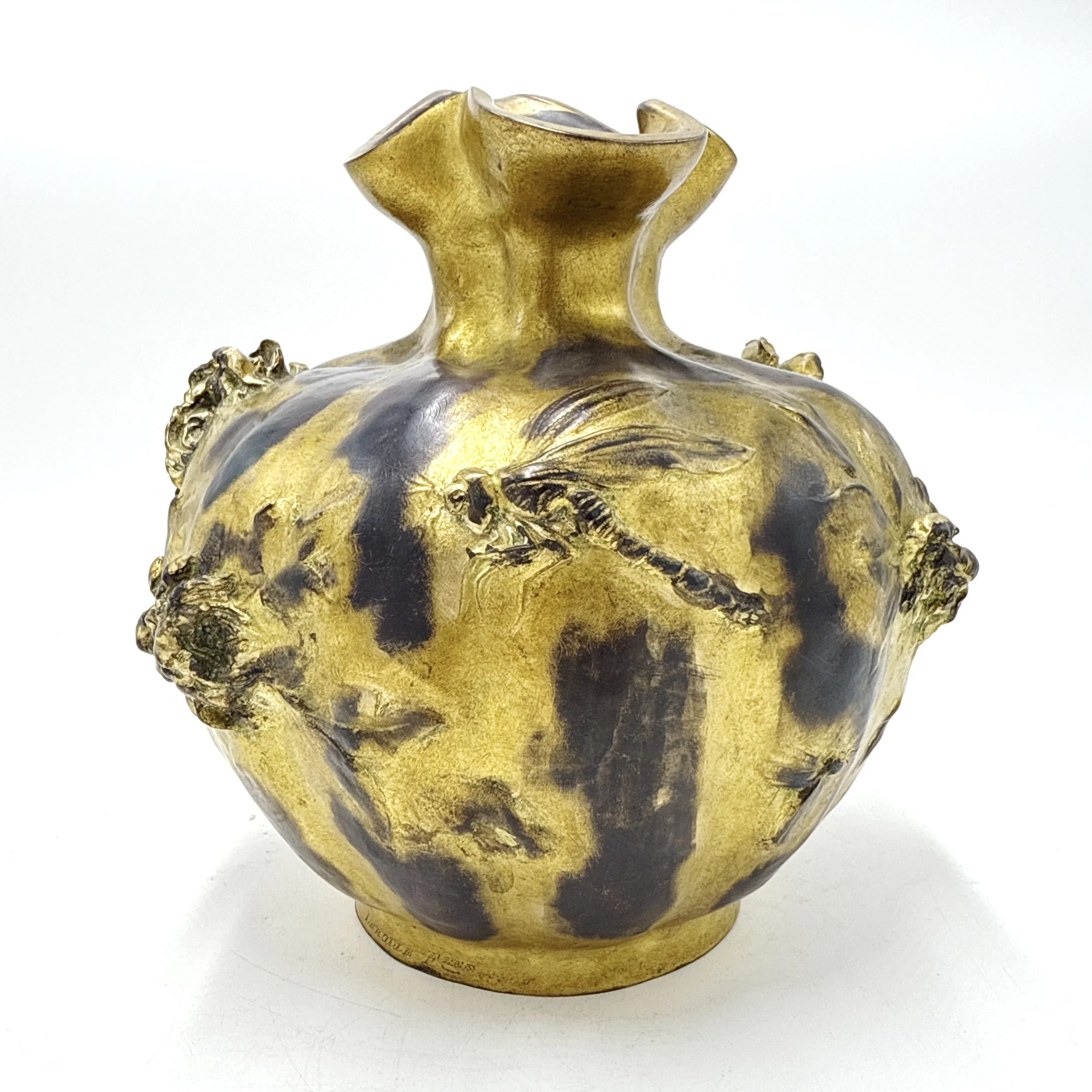 Image 1 of 13
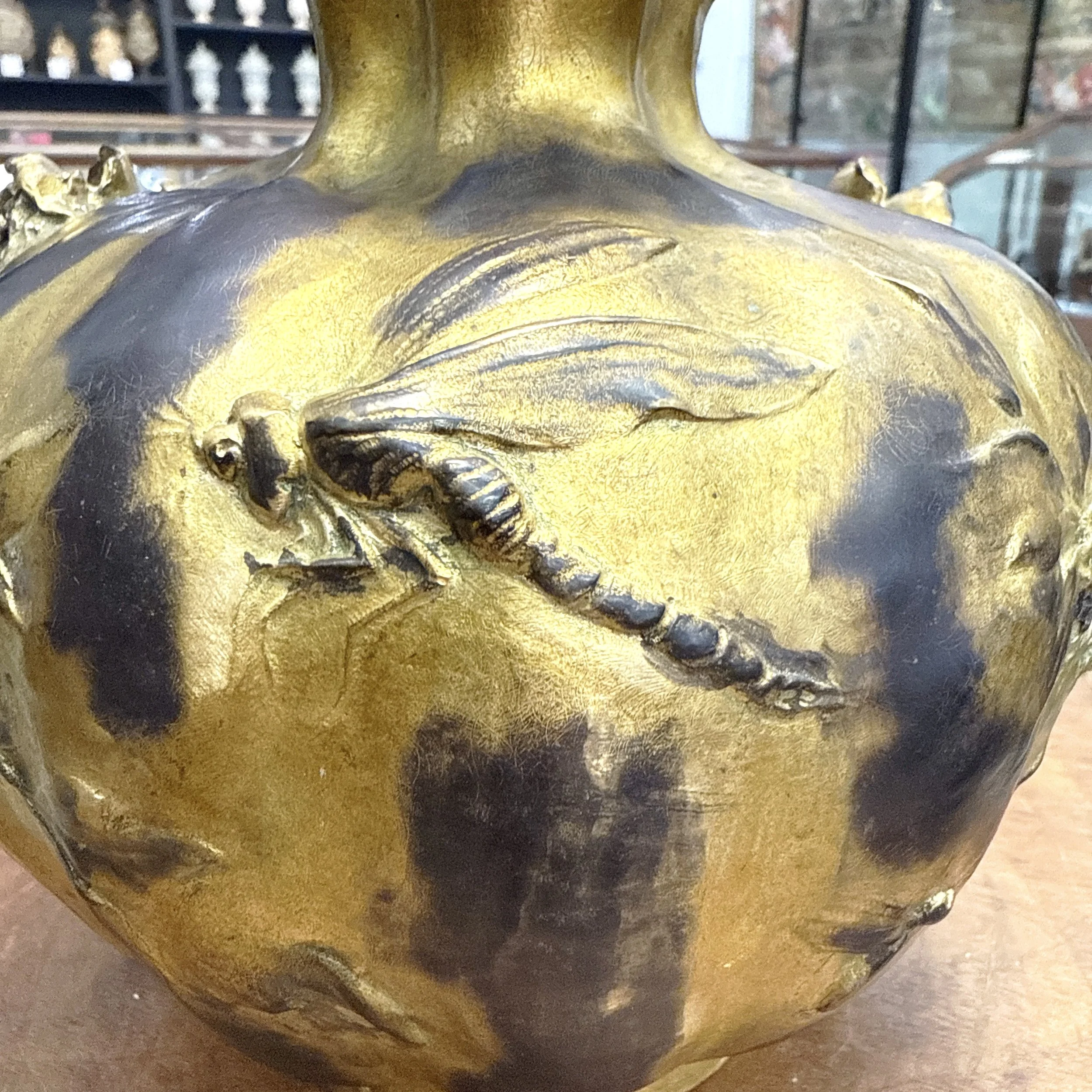 Image 2 of 13
 Image 4 of 13
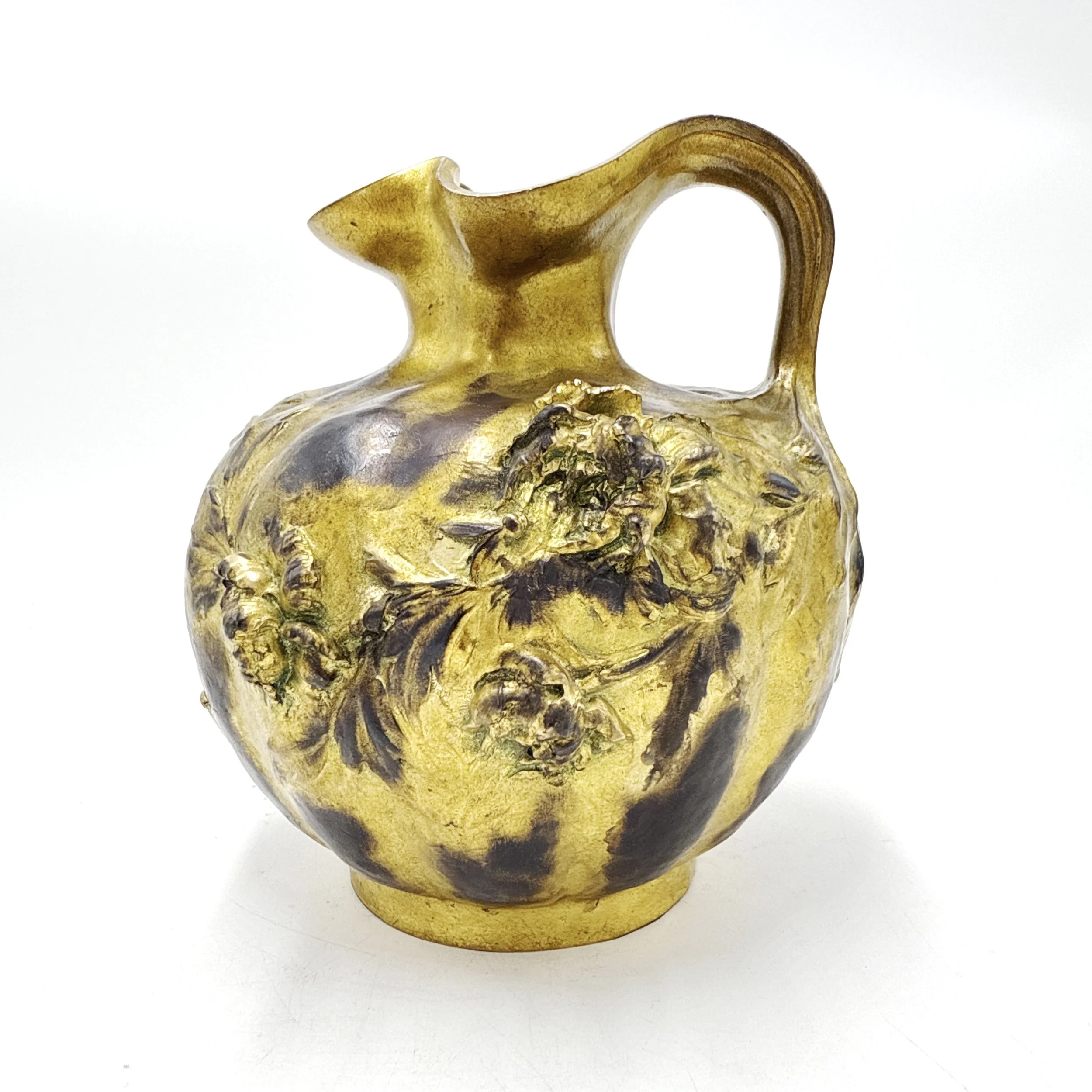 Image 5 of 13
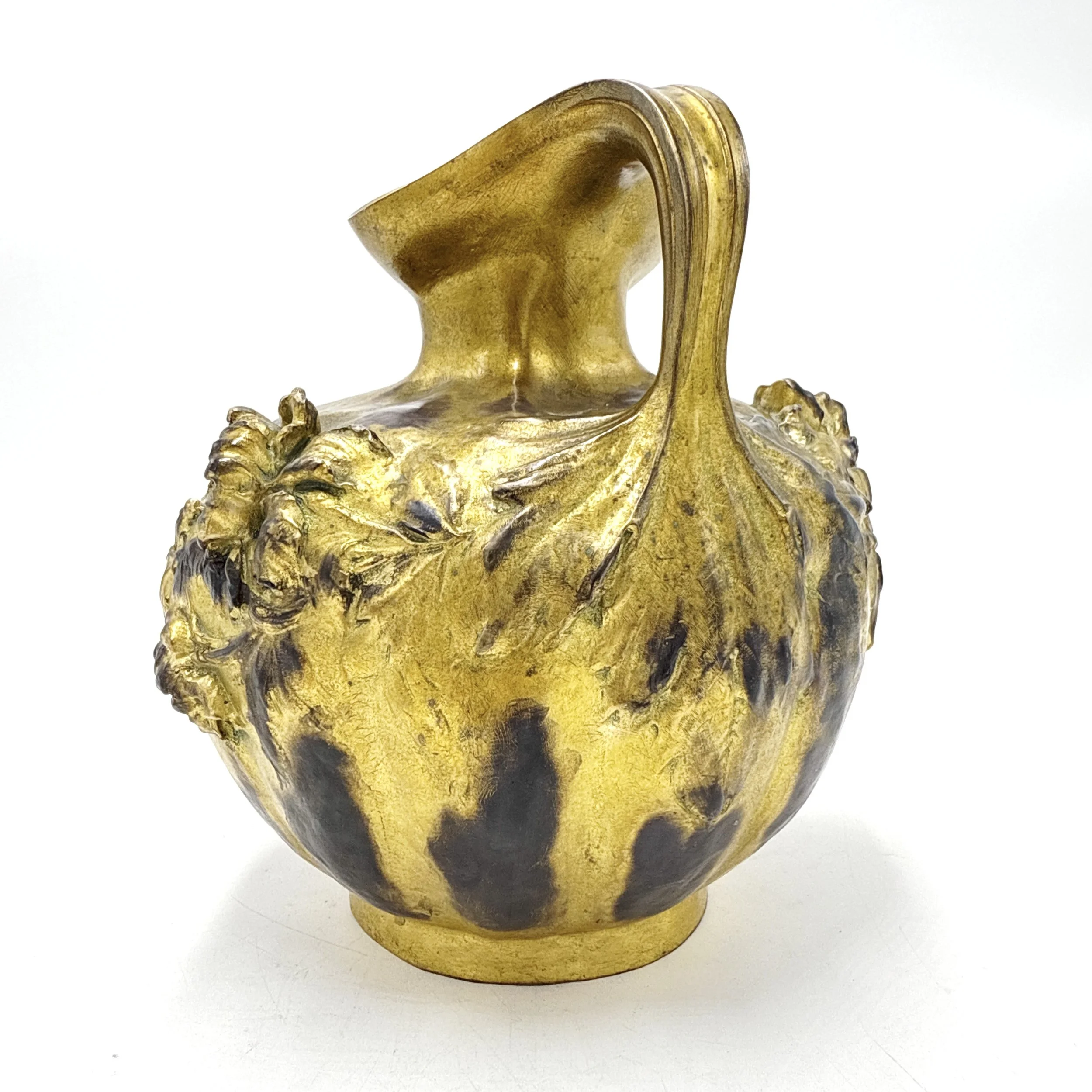 Image 6 of 13
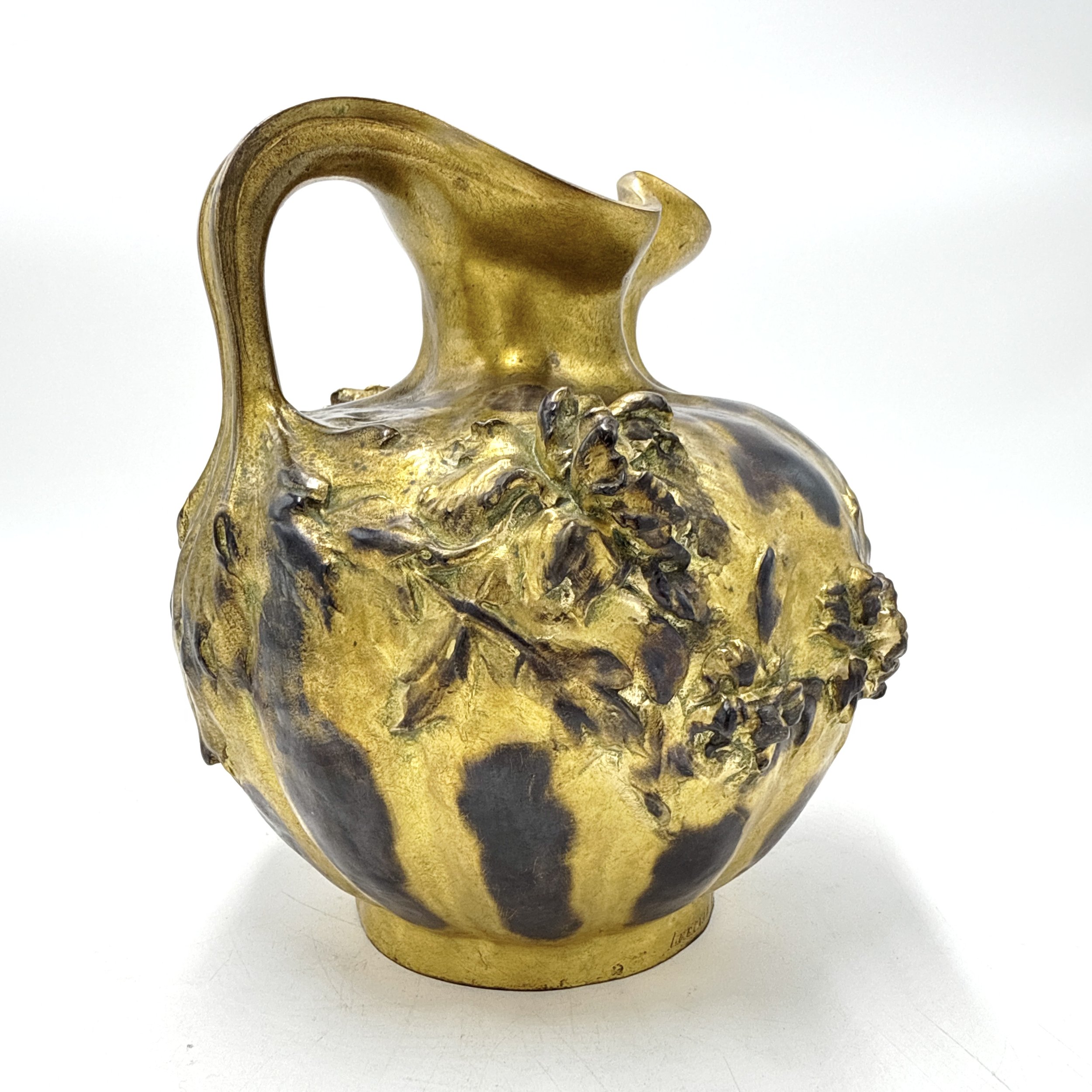 Image 7 of 13
 Image 8 of 13
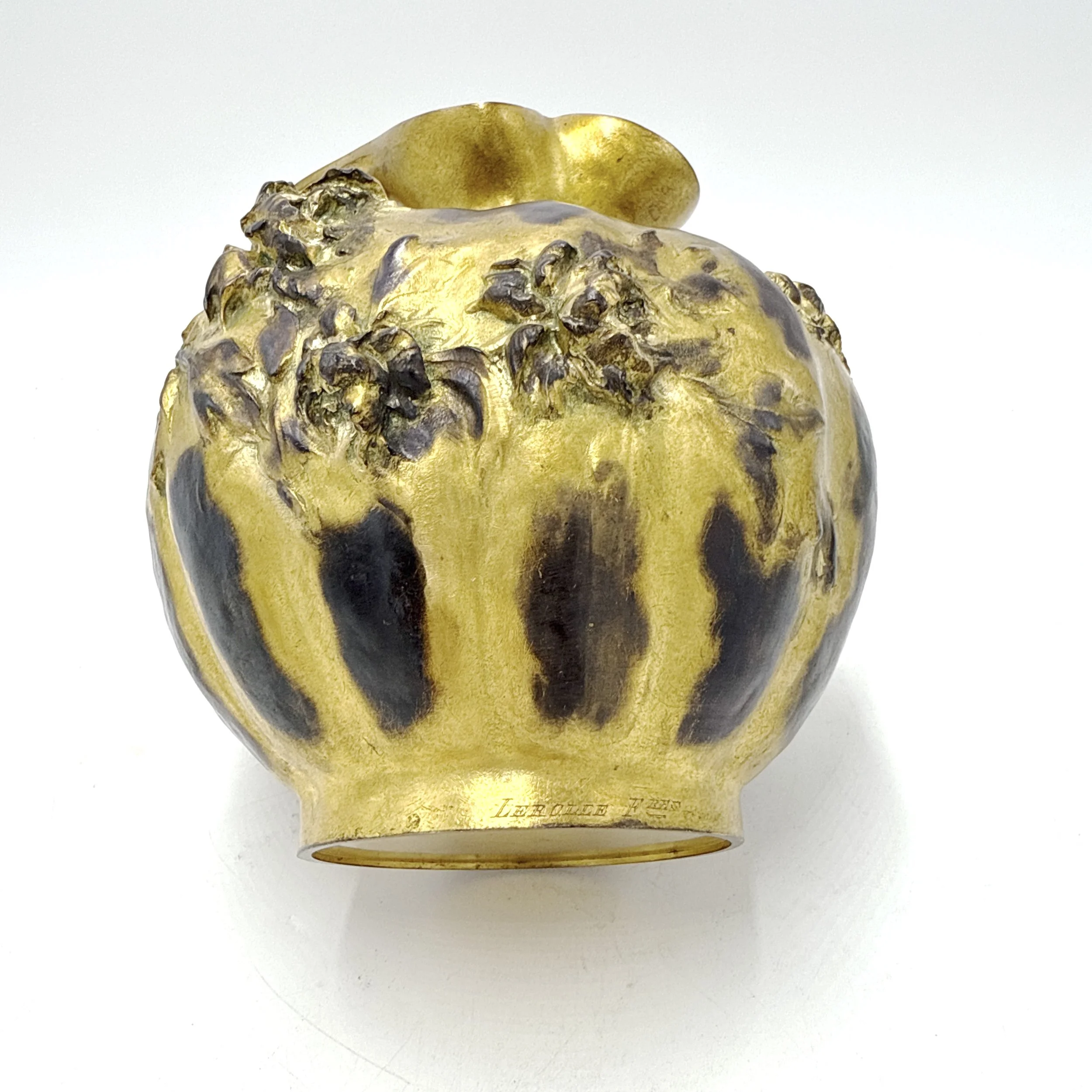 Image 9 of 13
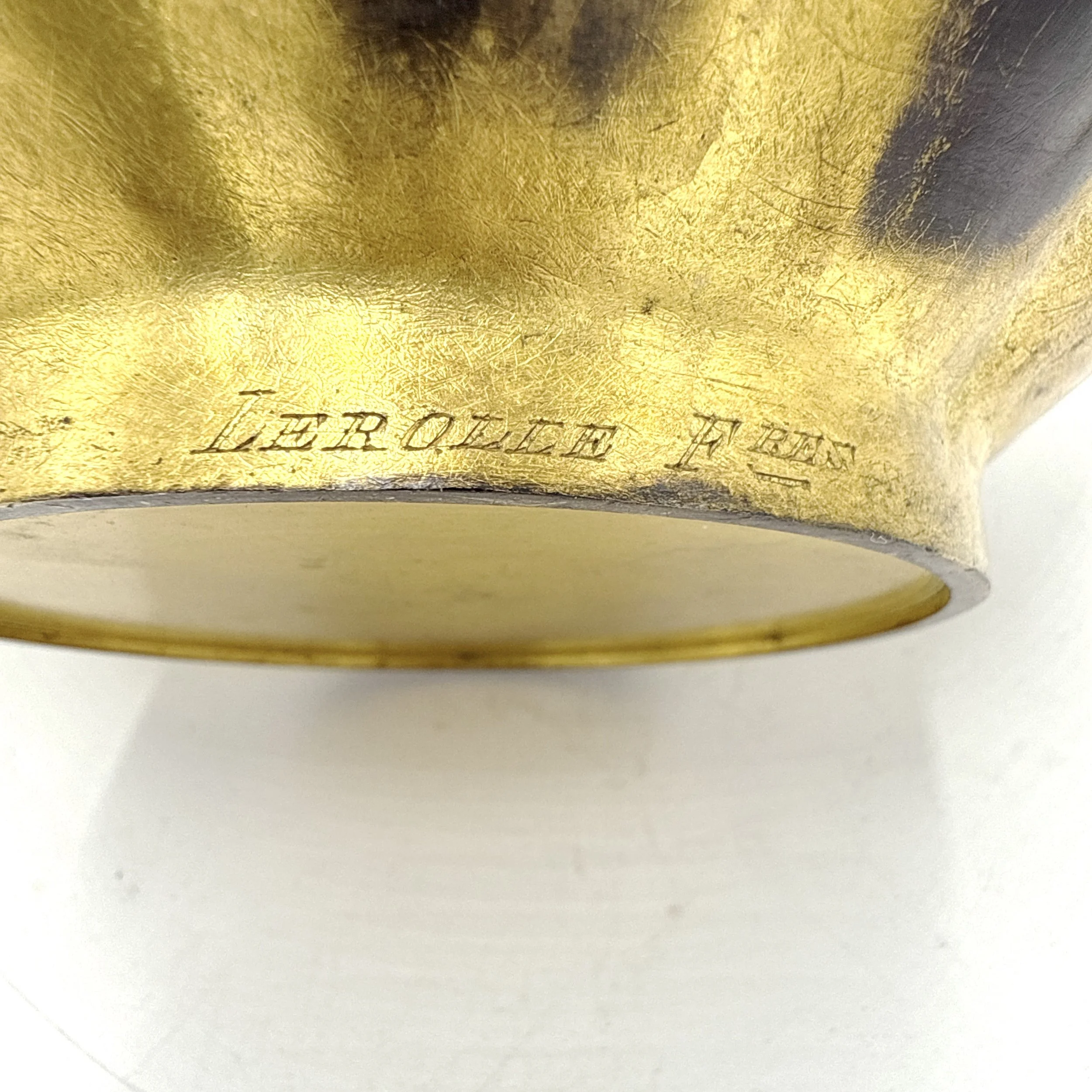 Image 10 of 13
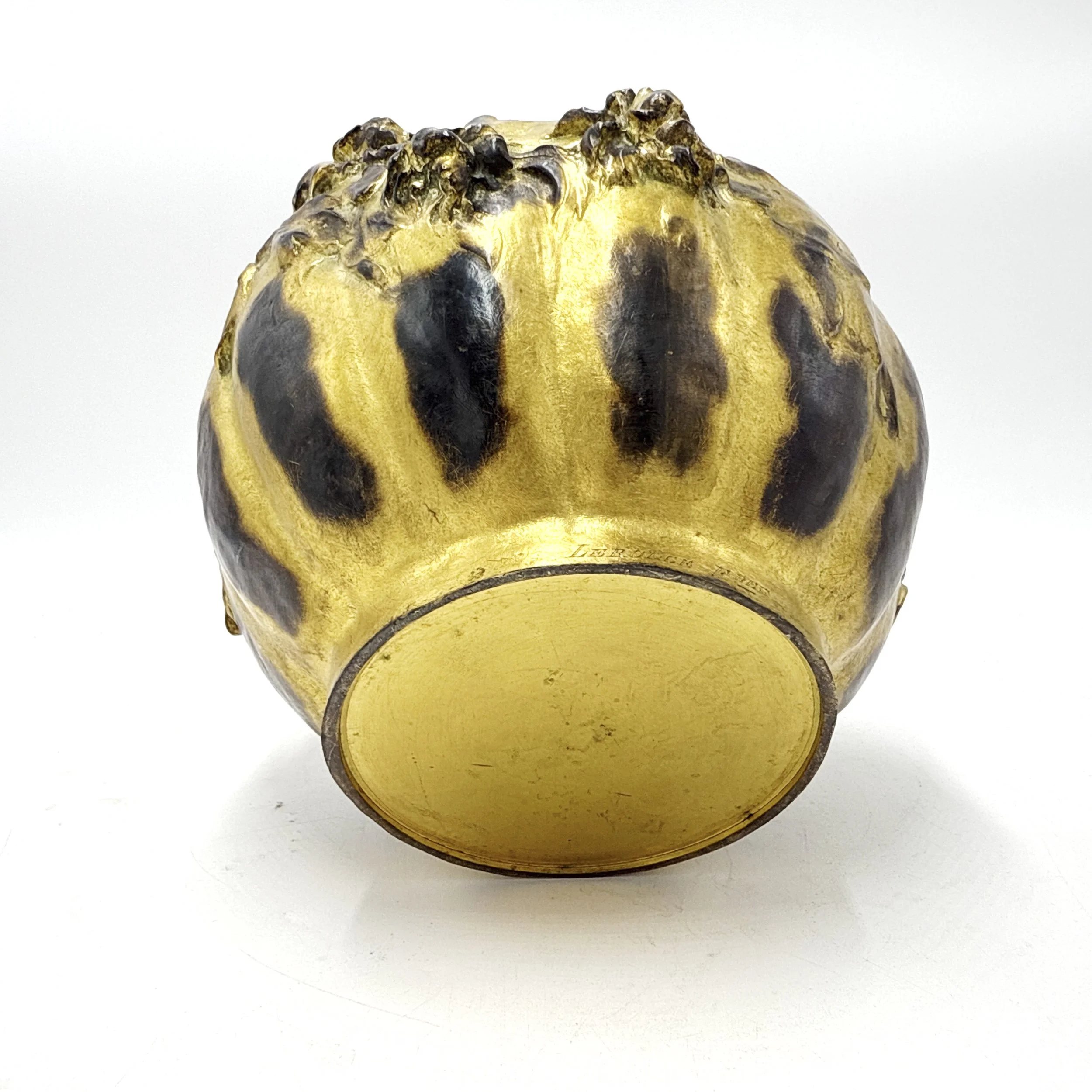 Image 11 of 13
 Image 12 of 13
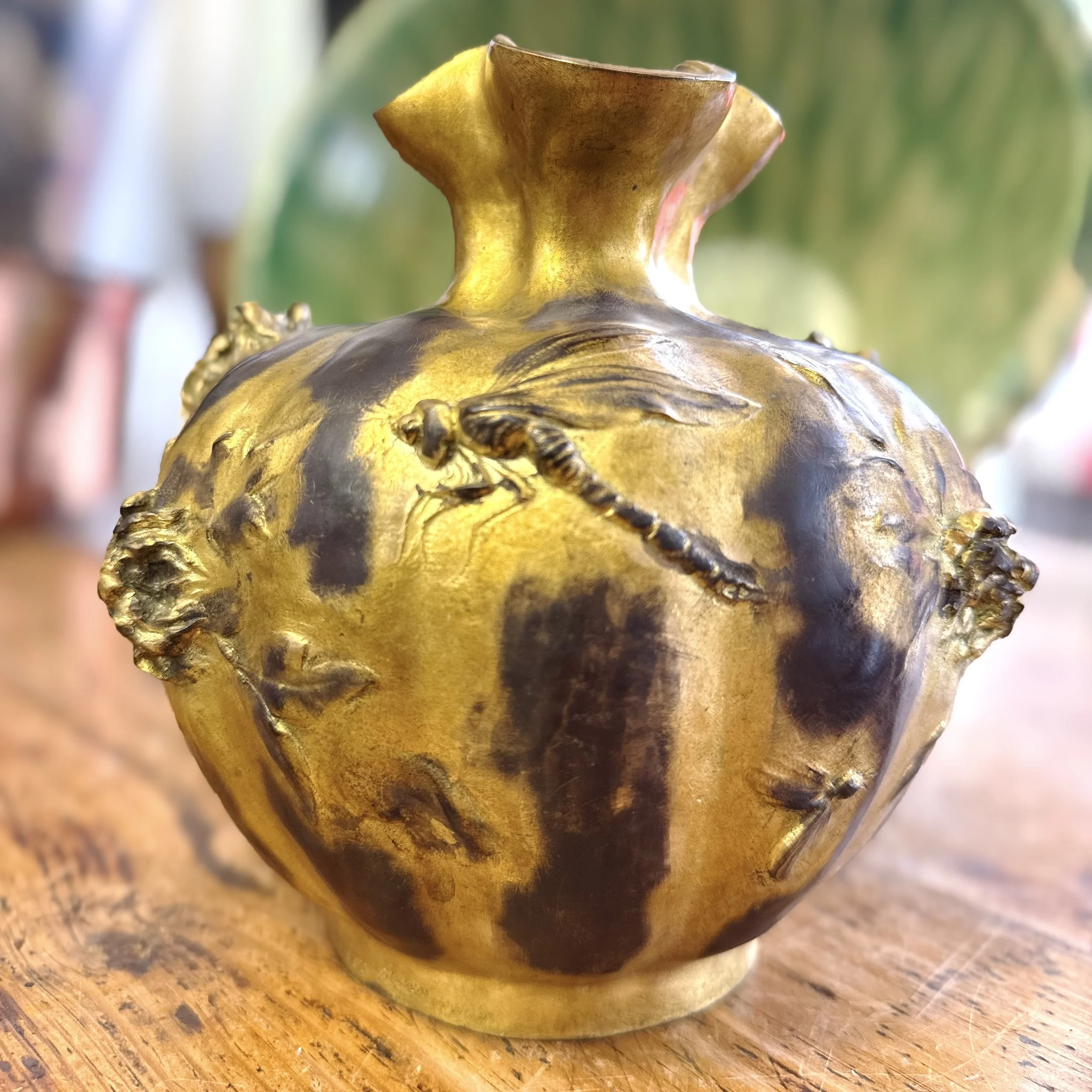 Image 13 of 13