This exceptional pair of carved wood figures reflects the early Baroque aesthetic of Northern Italy during the late 16th to early 17th century. Executed with expressive dynamism, each figure is adorned in flowing classical robes and posed in mid-motion, originally holding cornucopiae—symbols of prosperity and abundance. Their sculptural quality suggests they once served a decorative or devotional function, potentially within an ecclesiastical or palatial context.
Each figure is rendered in flowing classical robes, with animated gestures and stylized drapery. The bases feature carved mascarons and scrollwork, richly decorated with gilt crosshatch patterning. Original gilding and painted surface remain visible, with age-appropriate wear consistent with over 400 years of history, including areas of surface loss, craquelure, and old wormholes—testifying to their authenticity and antiquity.
Features:
Hand-carved wood with original gilt and painted finish
Northern Italy, late 16th to early 17th century
Early Baroque styling with theatrical poses and expressive detail
Each base features decorative masks and scroll motifs
Evidence of historic wear, including losses and age-related patina
Height (approx.): 32.5”H x 7”D x 11.75”W (first statue) and 32.25”H x 7”D x 11.25”W (second statue)
These figures are offered as found, with all the character and patina that comes with their age. They are ideal for collectors of early European wood sculpture, decorative arts, or ecclesiastical antiques.
Supporting Observations:
Wood Type and Aging: The visible wood grain and open cracks, especially the deep age splits, are consistent with hand-carved hardwoods like lindenwood or poplar used in 17th-century ecclesiastical sculpture. These woods were commonly used in Northern Italy.
Tooling and Carving: The chisel marks and rougher tool work on the backs (not intended for public view) align with pre-industrial carving techniques. The lack of later joinery or machine-planed evidence suggests pre-18th-century work.
Backs and Bases: The absence of a hollowed rear or separate panel insert (common in later devotional pieces) and the way the base blocks are constructed support earlier craftsmanship. The carved, one-piece look of the skirted forms is in line with altar or architectural niches.
Styling: The flowing robes, forward movement, and expressive gestures are typical of late Mannerist to early Baroque figural carving. The facial styles and body posture reflect a theatrical yet restrained ecclesiastical aesthetic, common in Northern Italian religious sculpture before the full flourish of the 18th-century Rococo.
Gilding & Polychrome Remnants: The partial gilding and worn polychrome remnants, especially the ochres and flesh tones, point to original use in a sacred or liturgical setting. These were often re-touched over centuries, but the surviving traces suggest early work that has aged naturally rather than being overrestored.
Please inquire for additional images or condition details.
This exceptional pair of carved wood figures reflects the early Baroque aesthetic of Northern Italy during the late 16th to early 17th century. Executed with expressive dynamism, each figure is adorned in flowing classical robes and posed in mid-motion, originally holding cornucopiae—symbols of prosperity and abundance. Their sculptural quality suggests they once served a decorative or devotional function, potentially within an ecclesiastical or palatial context.
Each figure is rendered in flowing classical robes, with animated gestures and stylized drapery. The bases feature carved mascarons and scrollwork, richly decorated with gilt crosshatch patterning. Original gilding and painted surface remain visible, with age-appropriate wear consistent with over 400 years of history, including areas of surface loss, craquelure, and old wormholes—testifying to their authenticity and antiquity.
Features:
Hand-carved wood with original gilt and painted finish
Northern Italy, late 16th to early 17th century
Early Baroque styling with theatrical poses and expressive detail
Each base features decorative masks and scroll motifs
Evidence of historic wear, including losses and age-related patina
Height (approx.): 32.5”H x 7”D x 11.75”W (first statue) and 32.25”H x 7”D x 11.25”W (second statue)
These figures are offered as found, with all the character and patina that comes with their age. They are ideal for collectors of early European wood sculpture, decorative arts, or ecclesiastical antiques.
Supporting Observations:
Wood Type and Aging: The visible wood grain and open cracks, especially the deep age splits, are consistent with hand-carved hardwoods like lindenwood or poplar used in 17th-century ecclesiastical sculpture. These woods were commonly used in Northern Italy.
Tooling and Carving: The chisel marks and rougher tool work on the backs (not intended for public view) align with pre-industrial carving techniques. The lack of later joinery or machine-planed evidence suggests pre-18th-century work.
Backs and Bases: The absence of a hollowed rear or separate panel insert (common in later devotional pieces) and the way the base blocks are constructed support earlier craftsmanship. The carved, one-piece look of the skirted forms is in line with altar or architectural niches.
Styling: The flowing robes, forward movement, and expressive gestures are typical of late Mannerist to early Baroque figural carving. The facial styles and body posture reflect a theatrical yet restrained ecclesiastical aesthetic, common in Northern Italian religious sculpture before the full flourish of the 18th-century Rococo.
Gilding & Polychrome Remnants: The partial gilding and worn polychrome remnants, especially the ochres and flesh tones, point to original use in a sacred or liturgical setting. These were often re-touched over centuries, but the surviving traces suggest early work that has aged naturally rather than being overrestored.
Please inquire for additional images or condition details.


 Image 1 of 23
 Image 2 of 23
 Image 3 of 23
 Image 4 of 23
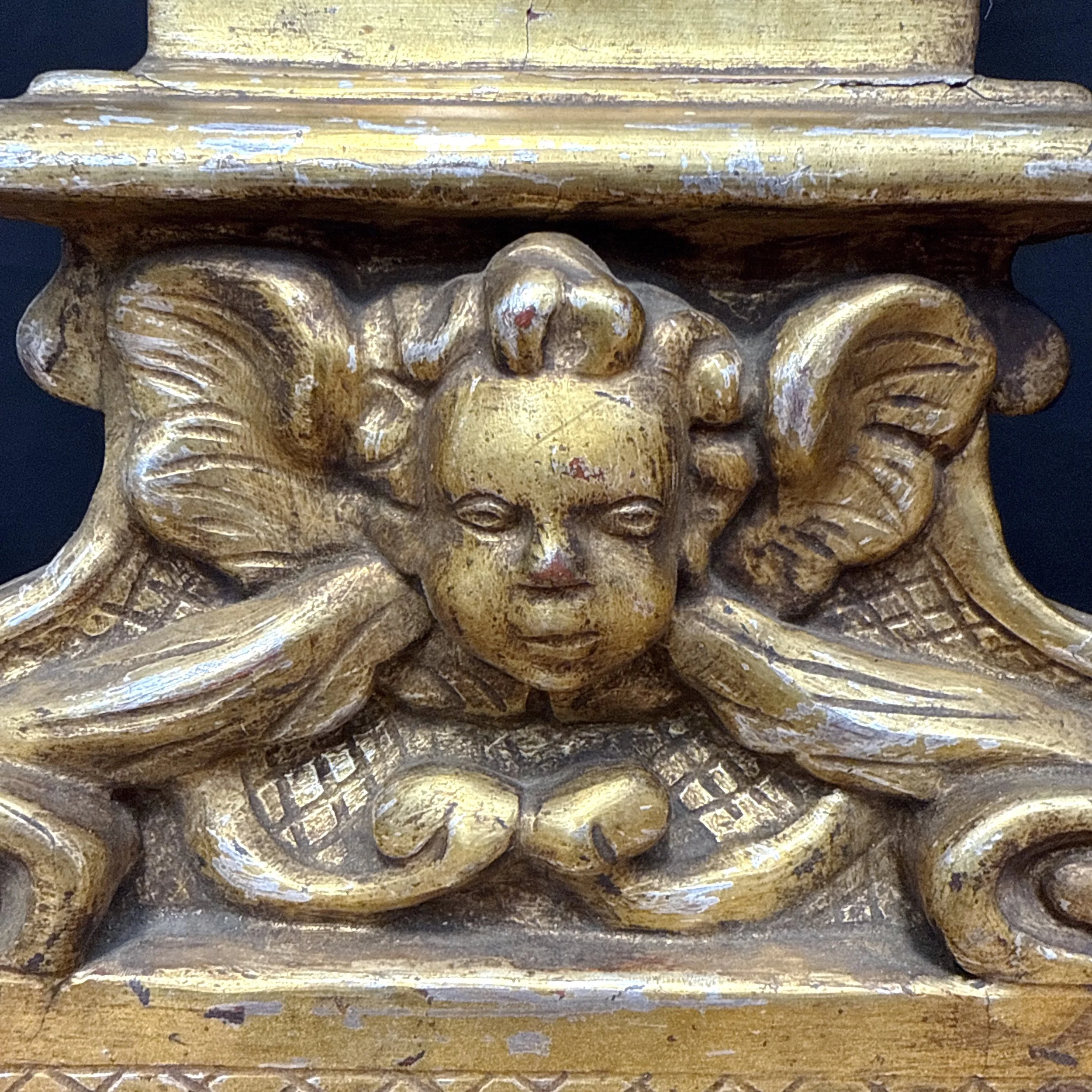 Image 5 of 23
 Image 6 of 23
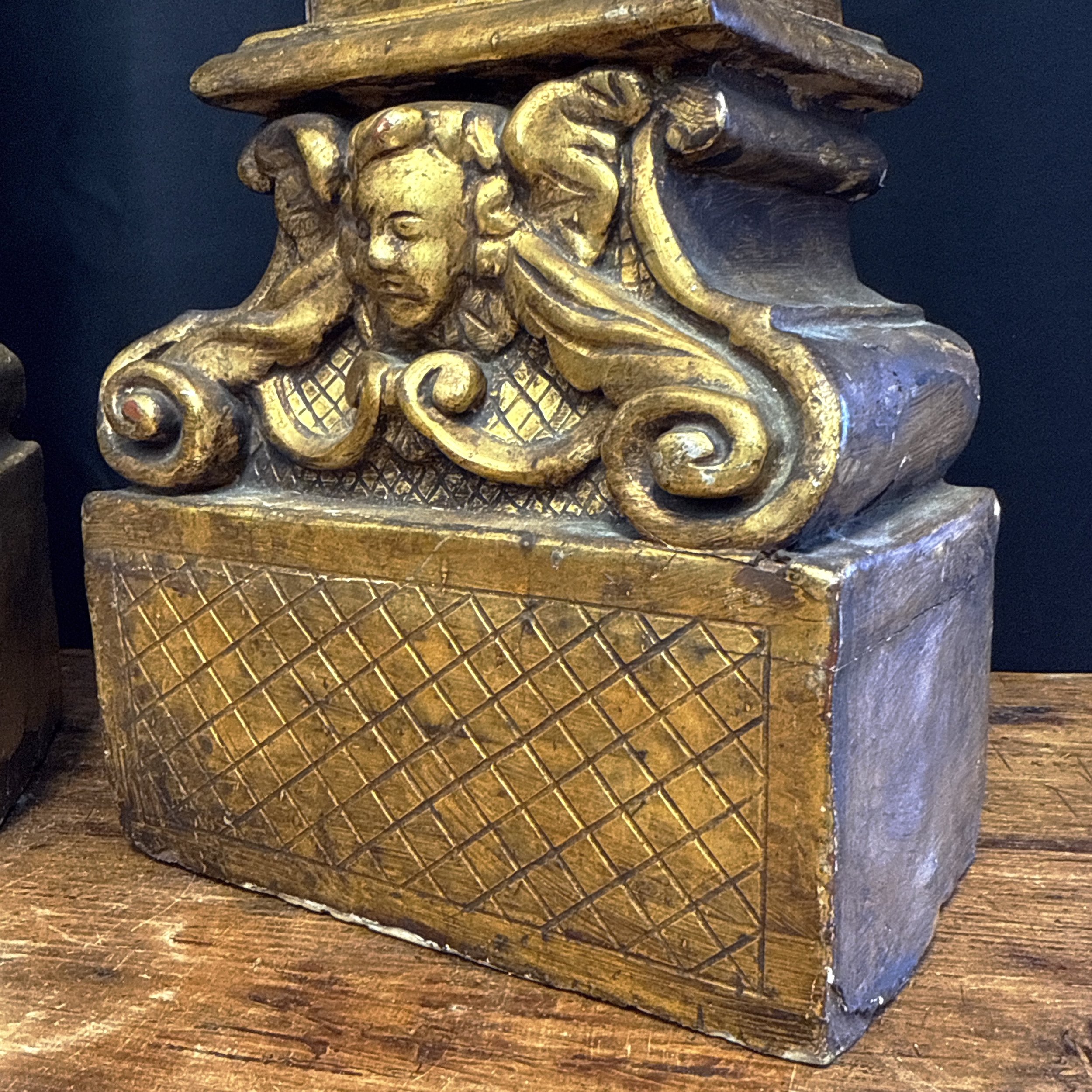 Image 7 of 23
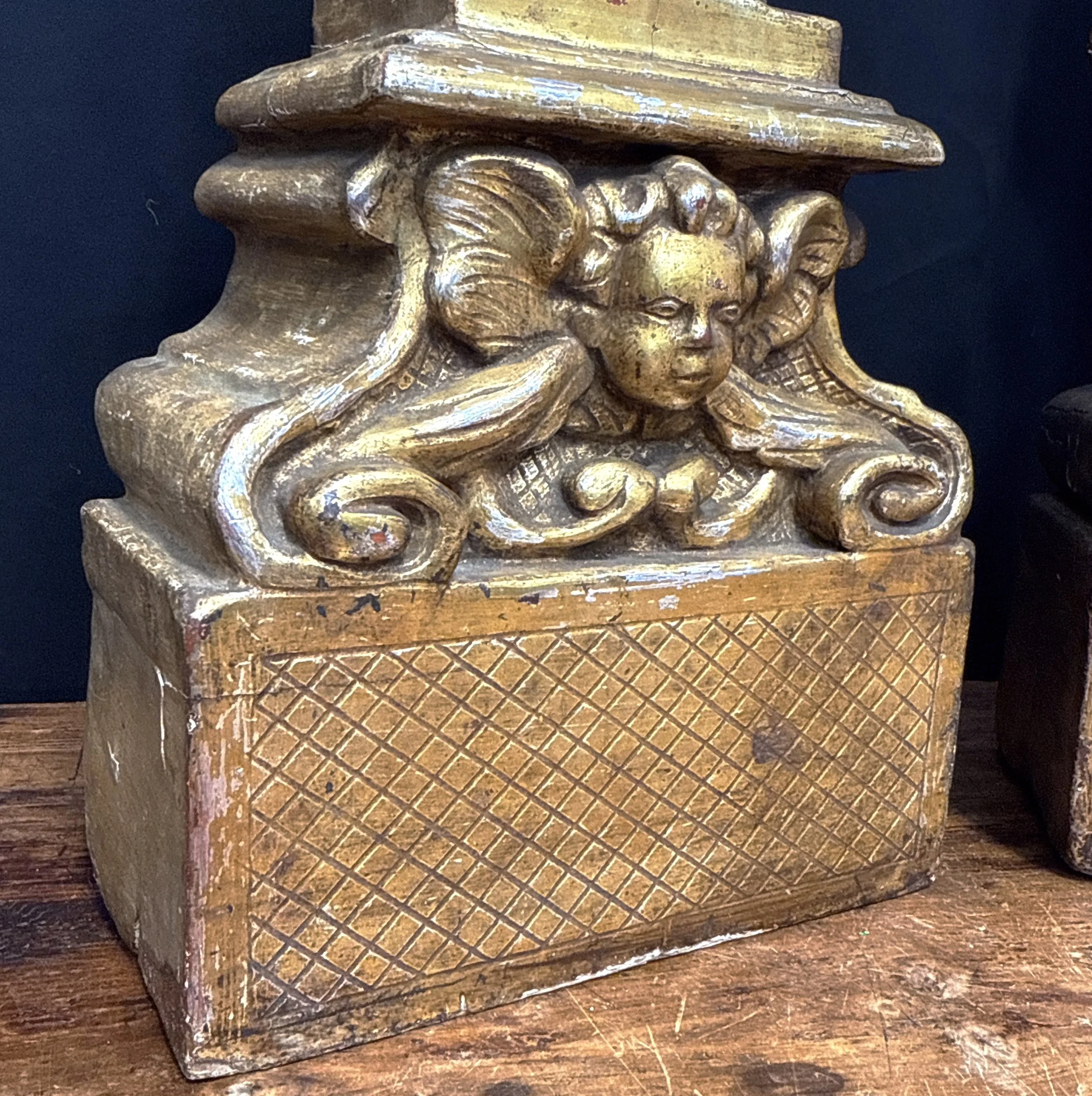 Image 8 of 23
 Image 9 of 23
 Image 10 of 23
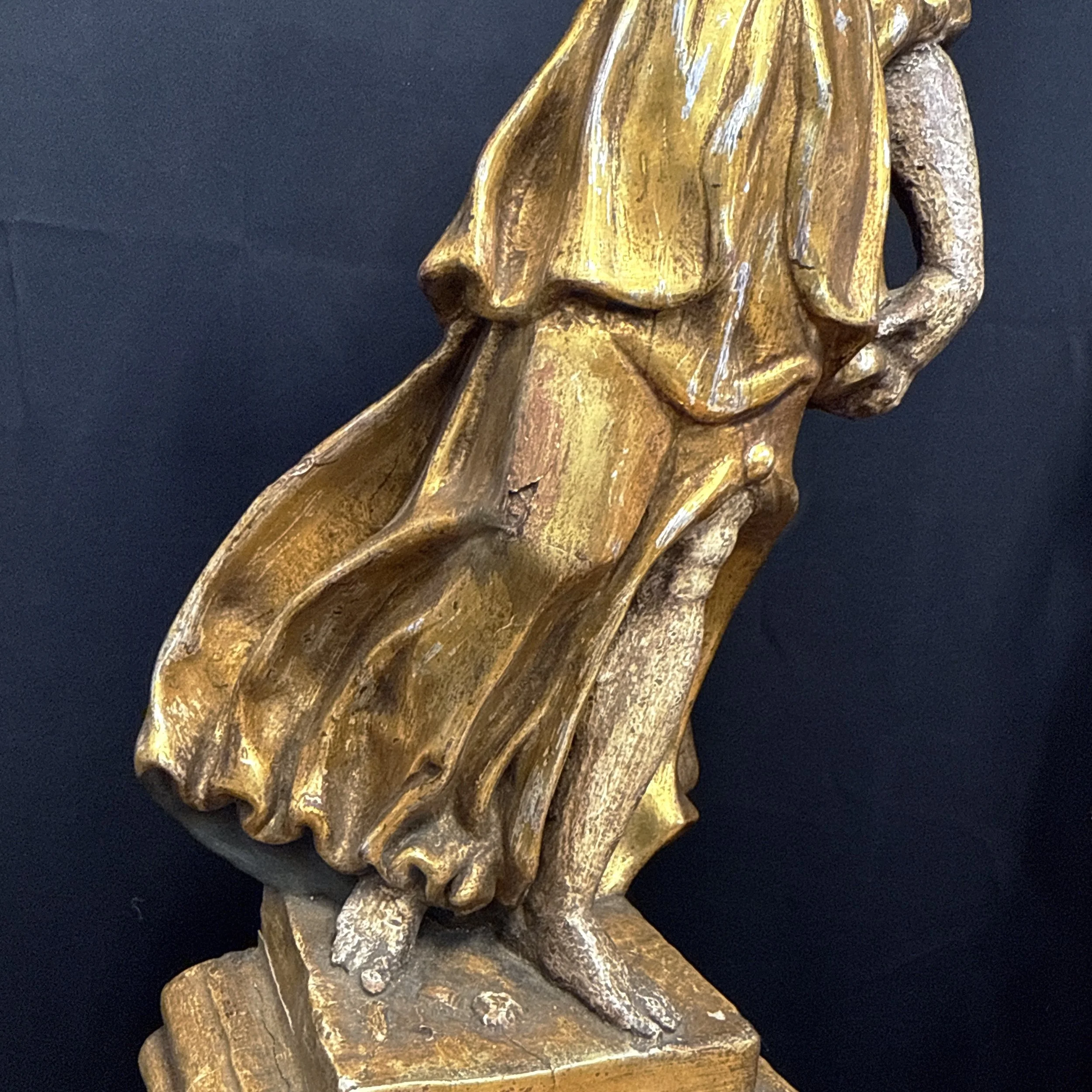 Image 11 of 23
 Image 12 of 23
 Image 13 of 23
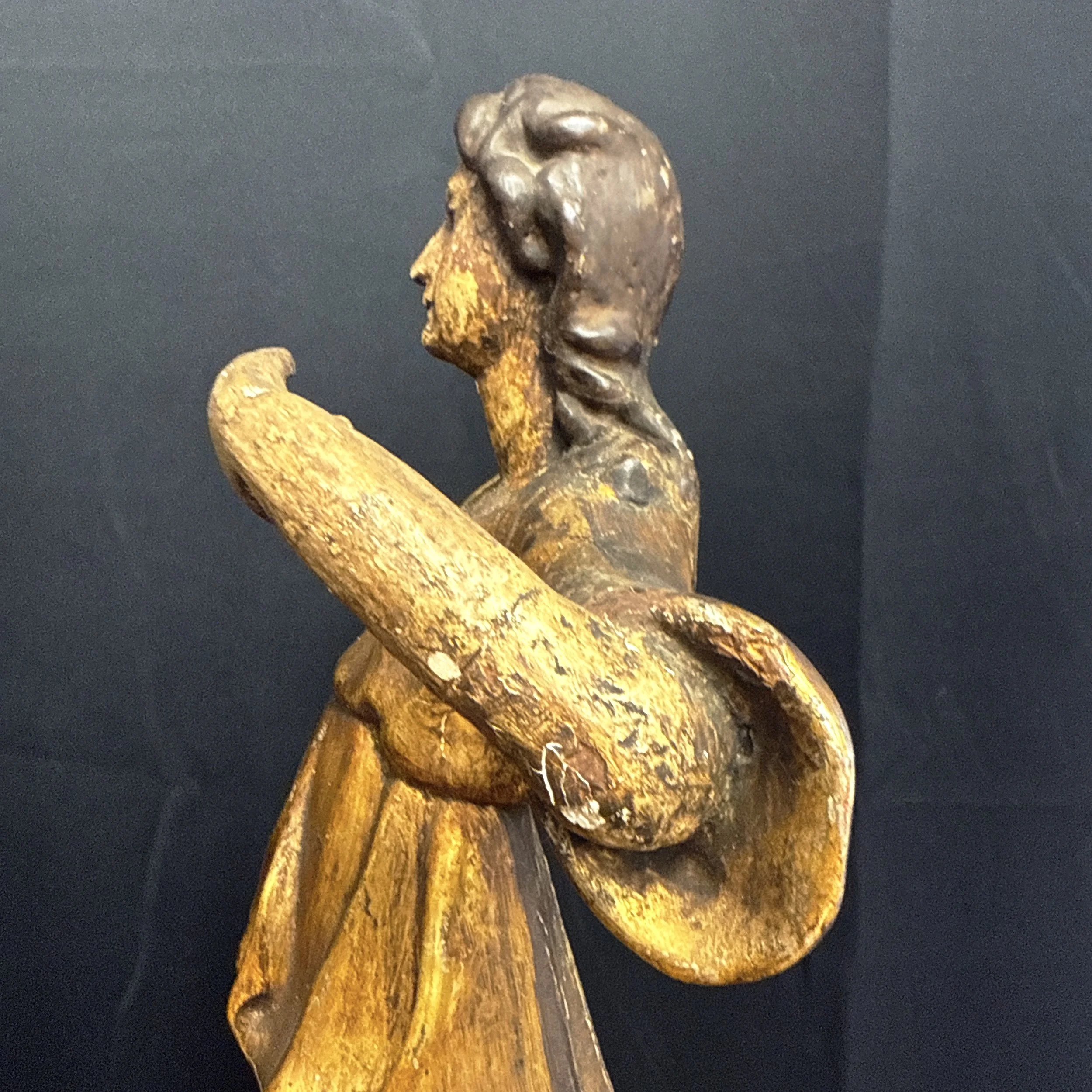 Image 14 of 23
 Image 15 of 23
 Image 16 of 23
 Image 17 of 23
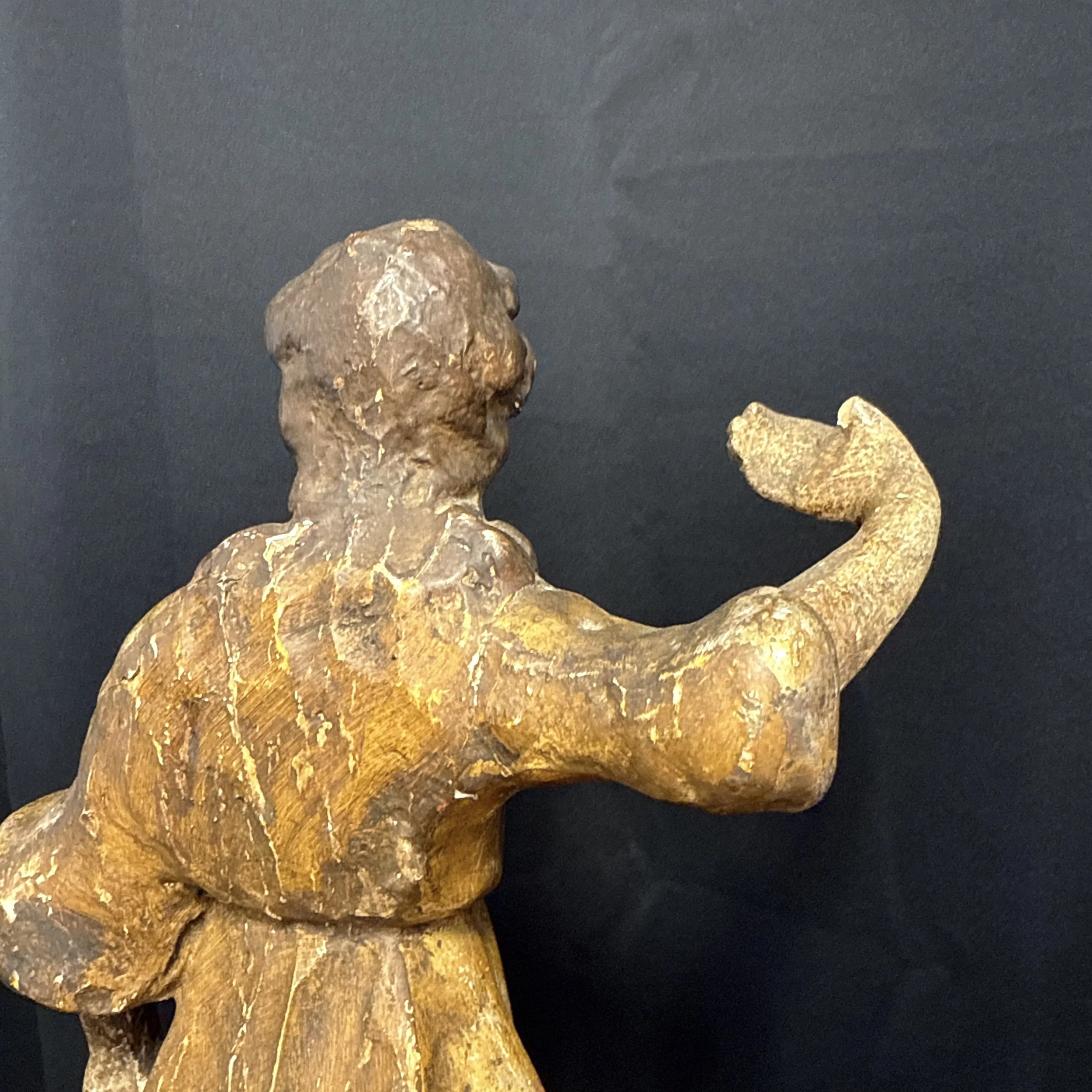 Image 18 of 23
 Image 19 of 23
 Image 20 of 23
 Image 21 of 23
 Image 22 of 23
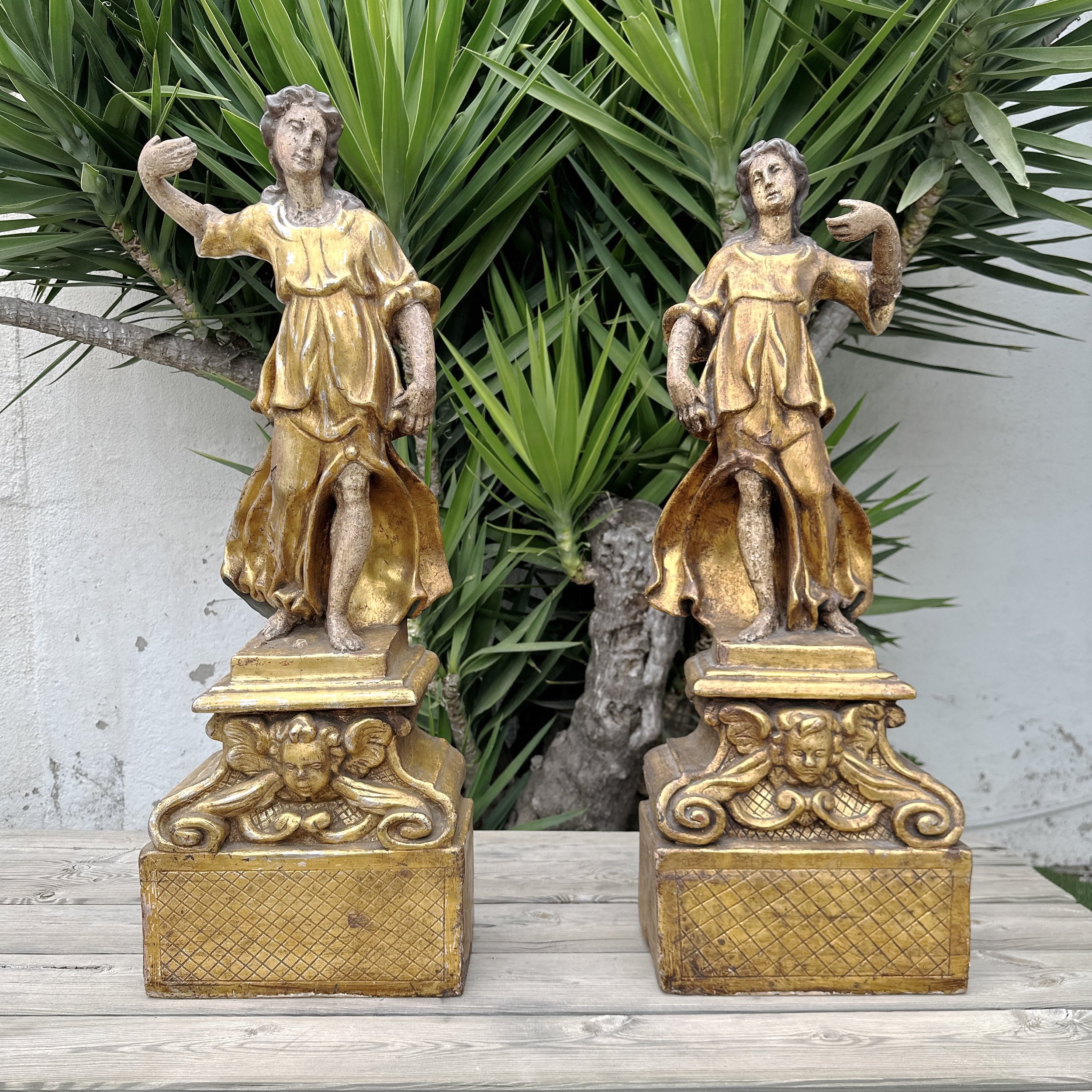 Image 23 of 23